Sales & Customer Support:
+63917 860 0808

Franz Haas - Pinot Grigio Alto Adige | Italian White Wine

PHP 1,050
Wine Type: White Varietal: 100% Pinot Grigio Vintage: 2023 ABV: 13% Country: Italy Region: Südtirol - Alto Adige Bottle Size: 750ml
Availability:
In stock
SKU
Product15758
Description
Franz Haas’ Pinot Grigio Alto Adige comes from vineyards in Alto Adige (South Tyrol), Northern Italy, planted at altitudes between about 350-800 m above sea level. The soils are deep, fertile, often with clay and silt (and some limestone influence), and sites are mainly south to south-west facing. The cool evenings in the mountains help retain acidity and aromatic freshness.
Tasting Notes
COLOR:
Intense straw-yellow colour, sometimes with golden hues.
NOSE:
Floral and herbal notes predominate — acacia blossoms, sage, hay, maybe hints of sandalwood and fresh herbs. There are also nutty and almond undertones. With bottle development: honey, lime blossom, and subtle stone fruit (white pear) may emerge.
TASTE:
The wine balances freshness (good acidity) and a creamy or textured body. The lees ageing gives a richer mouthfeel without overwhelming oak; the oak used is modest.
FINISH:
Fruit flavours tend toward white/stone fruit (pear, apple), perhaps citrus peel, along with a touch of almond/bitter almond, herbal/savory notes; the finish is persistent, elegant, harmoniously balanced.
Intense straw-yellow colour, sometimes with golden hues.
NOSE:
Floral and herbal notes predominate — acacia blossoms, sage, hay, maybe hints of sandalwood and fresh herbs. There are also nutty and almond undertones. With bottle development: honey, lime blossom, and subtle stone fruit (white pear) may emerge.
TASTE:
The wine balances freshness (good acidity) and a creamy or textured body. The lees ageing gives a richer mouthfeel without overwhelming oak; the oak used is modest.
FINISH:
Fruit flavours tend toward white/stone fruit (pear, apple), perhaps citrus peel, along with a touch of almond/bitter almond, herbal/savory notes; the finish is persistent, elegant, harmoniously balanced.
Food Pairing
Grilled or sautéed fish, scallops, prawns; shellfish with light herbal-citrus sauces.
Asparagus, zucchini, salads with vinaigrette, green beans, mixed seasonal vegetables, especially with herbs like sage or thyme.
Creamy risottos (especially with mushrooms or herbs), pasta with light sauces, citrus or nut-based sauces.
Grilled chicken, veal, or pork (lighter cuts), especially with herb rubs or light sauces.
Fresh cheeses (e.g. ricotta, mozzarella), mild goat cheeses, almondy/aged cheeses in small amounts.
Ideal as an aperitif, with lighter hors d’oeuvres. The herbal and floral notes makes it pair nicely with dishes with sage, almonds, or herbal components.
Asparagus, zucchini, salads with vinaigrette, green beans, mixed seasonal vegetables, especially with herbs like sage or thyme.
Creamy risottos (especially with mushrooms or herbs), pasta with light sauces, citrus or nut-based sauces.
Grilled chicken, veal, or pork (lighter cuts), especially with herb rubs or light sauces.
Fresh cheeses (e.g. ricotta, mozzarella), mild goat cheeses, almondy/aged cheeses in small amounts.
Ideal as an aperitif, with lighter hors d’oeuvres. The herbal and floral notes makes it pair nicely with dishes with sage, almonds, or herbal components.
Facts
Wine Type:
White Wine
Country:
Italy
Region:
Südtirol - Alto Adige
Varietal:
Pinot Gris
Vintage:
2023
Bottle Size:
750ml
ABV:
13%
Body:
Light-bodied White Wine
Style:
Northern Italy Pinot Grigio
Vivino Rating:
3.9
Brand:
Franz Haas
We arrange the delivery of your purchase to the delivery address you provide.
All orders with delivery address within Metro Manila are FREE of delivery charges.
We deliver your purchase right to your doorstep, anywhere in the Philippines. We find for you the right courier and delivery service company to guarantee a fast and efficient delivery of your purchase.
Send us an email Click Here or call us at this number +63917 860 0808.


Write Your Own Review
VISIT OUR
FLAGSHIP-STORE
FLAGSHIP-STORE
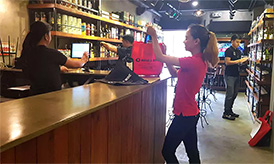
The Manila-Wine.com Flagship Store marks as a new milestone for us as it is our very first physical store.
Our Address: 207A Wilson St. Little Baguio, San Juan City
Waze Pin: Manila-Wine.com: Wines & Liquors Flagship Store
WHY ORDER FROM US

THE GREATEST CHOICE
More than 3000 Items

100% AUTHENTIC
All our products come from official brand importers & resellers

FREE DELIVERY
Conditions Apply

NATIONWIDE DELIVERY
Very Affordable

PARCEL INSURANCE
Items carefully in bubble wrap. Parcels are insured if lost, stolen, and/or damaged in transit

CASH ON DELIVERY
We accept cash on delivery all over Metro Manila.